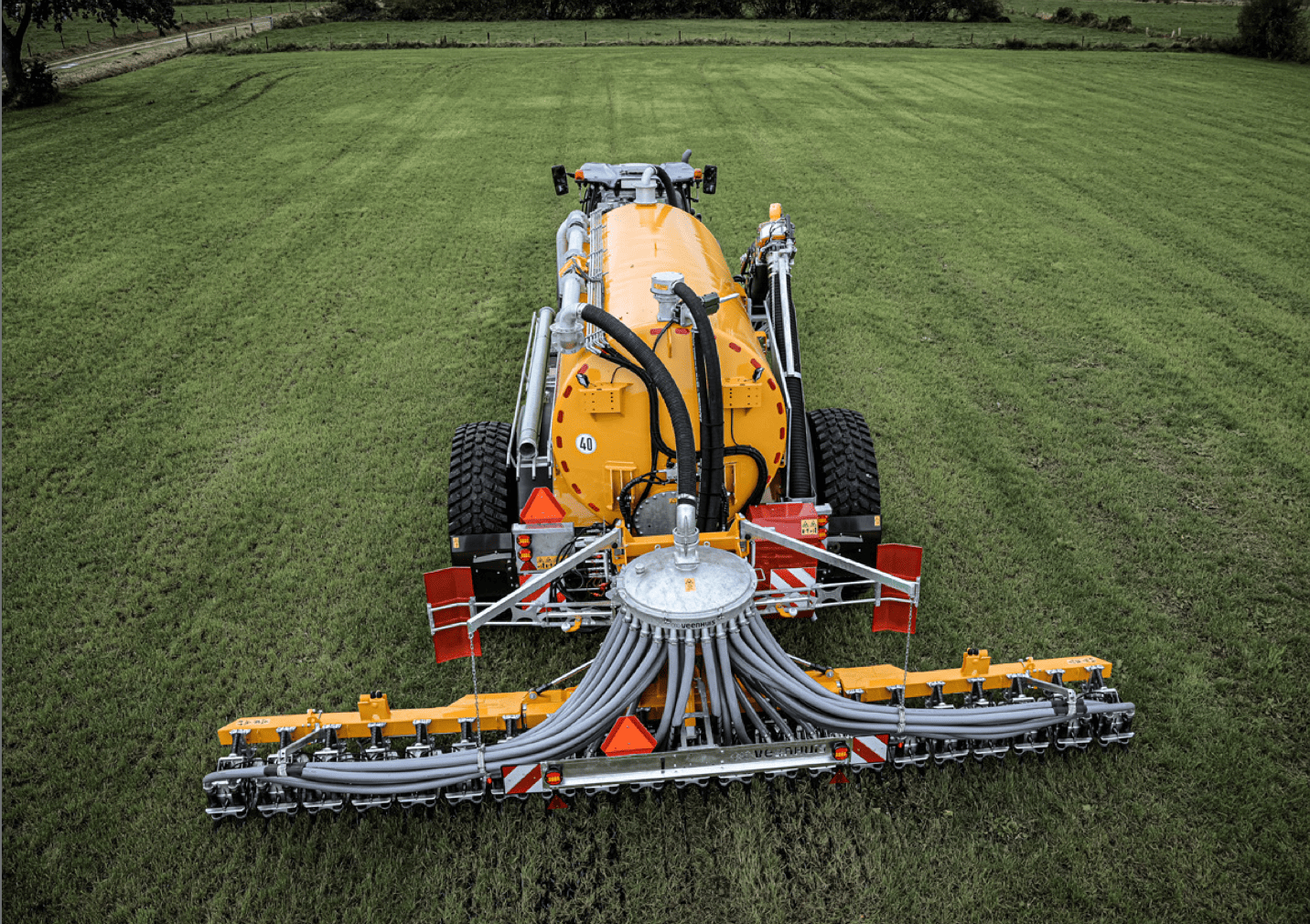
Lucerne and grass haylage – from cutting to ensiling
Instructor: dr Zbigniew Lach
Lucerne and grass haylage – more protein from home-grown forage, less bought-in concentrate
Lucerne cut at full flower has about 8 points less crude protein in the dry matter than lucerne cut at bud stage. With 5 kg DM of haylage in the ration, each cow then gets 400 g less protein – as much as a kilogram of rapeseed meal. The course shows how to harvest and ensile lucerne and grass so that this protein stays on your farm.
What you will learn
- Judge lucerne by its leaf-to-stem ratio and by ADF and NDF
- Cut at late bud, before 10% of the stand is in flower
- Set cutting height to 6–7 cm and match chop length to the TMR
- Check dry matter with a microwave and kitchen scales before harvest
- Compact in layers and seal the clamp with two sheets to keep air out
- Choose an inoculant or acid for a crop that is low in sugar
- See how ration structure protects cows from acidosis and laminitis
Who this course is for
- Dairy farms feeding maize with lucerne or maize with grass silage
- Farmers who make their own haylage in clamps, silage bags or bales
- Milk producers who want to buy less rapeseed and soya meal
- Nutrition advisers and herd managers who plan forage harvest
About the instructor
The course is taught by Dr Zbigniew Lach, chief breeder at the Osięciny breeding farm (OHZ Osięciny), with 32 years of hands-on work with dairy cattle. He formulates rations with lucerne haylage for high-yielding cows every day and uses them to show what a late cut costs. He covers lucerne as a feed, not as a field crop.
This is an online video course with two lessons and a knowledge test. You learn at your own pace and receive a certificate after completing the lessons and the quiz. You can ask the instructor questions under each lesson. Start with the lesson on the feed value of lucerne.
What you will learn
- ✓Judge lucerne feed value by leaf-to-stem ratio and by ADF and NDF content
- ✓Pick the cutting date: late bud, at the latest when 10% of plants are in flower
- ✓Wilt the crop to at least 30% DM and check it with a microwave test
- ✓Cut at 6–7 cm and match chop length to your mixer wagon
- ✓Compact the clamp in layers and seal it with two sheets to keep air out
- ✓Choose an inoculant or acid for lucerne, which is low in sugar
- ✓Build a ration with enough structure to protect cows from acidosis and laminitis
Frequently asked questions
Who teaches the course?+
Dr Zbigniew Lach, chief breeder at the Osięciny breeding farm (OHZ Osięciny), with 32 years of experience in dairy cattle feeding and breeding.
Does the course cover growing lucerne?+
No. It covers lucerne and grass as feed: harvest date, feed value, ensiling and their place in the dairy ration.
Does it matter if I use clamps, silage bags or bales?+
The course covers all three. For silage quality, following the ensiling routine matters more than the way you store it.
How long can I access the course?+
After purchase you have unlimited access to the videos and learn at your own pace.
Do I get a certificate?+
Yes. You receive a certificate after completing all lessons and the quiz.
Can I ask the instructor questions?+
Yes. You ask them in the Q&A section under each lesson.
Curriculum
- ▶Lucerne for dairy cows: protein, fibre and ration structure – part 1🔒
- ▶Ensiling lucerne: wilting, compaction, sheeting and inoculants – part 2🔒
- ?Knowledge test: lucerne and grass haylage🔒
Student reviews
No reviews yet.