Calf health and reducing antibiotic use in dairy herds
Instructor: Jacek Ptak★ 5.0 (2)
Calf health and lower antibiotic use in dairy herds – prevention before treatment
Most antibiotics on a dairy farm go to mastitis and sick calves. ESVAC data show that Europe cut antibiotic use by 34% between 2011 and 2018, while Poland raised it by 33%. This course shows how to prevent disease before you have to treat it.
What you will learn
- Why your own farm's colostrum and a colostrum bank beat replacers
- How to feed a scouring calf: electrolytes, without long milk withdrawal
- When to vaccinate dry cows and when to vaccinate the calves
- Dry TMR from week two, disbudding and quarantine
- Milking routine: 60–90 seconds of stimulation, foam on the whole teat, dry wipe
- Checking pump, regulator, liners and vacuum – fluctuation of 2 kPa at most
- Rapid milk tests and tracking new infections, not just cell counts
Who this course is for
- Dairy farmers who want to cut antibiotic use
- Staff responsible for calf rearing and the calving area
- Milkers and herd managers in tie-stall barns and milking parlours
- Advisers and vets working with dairy herds
About the instructors
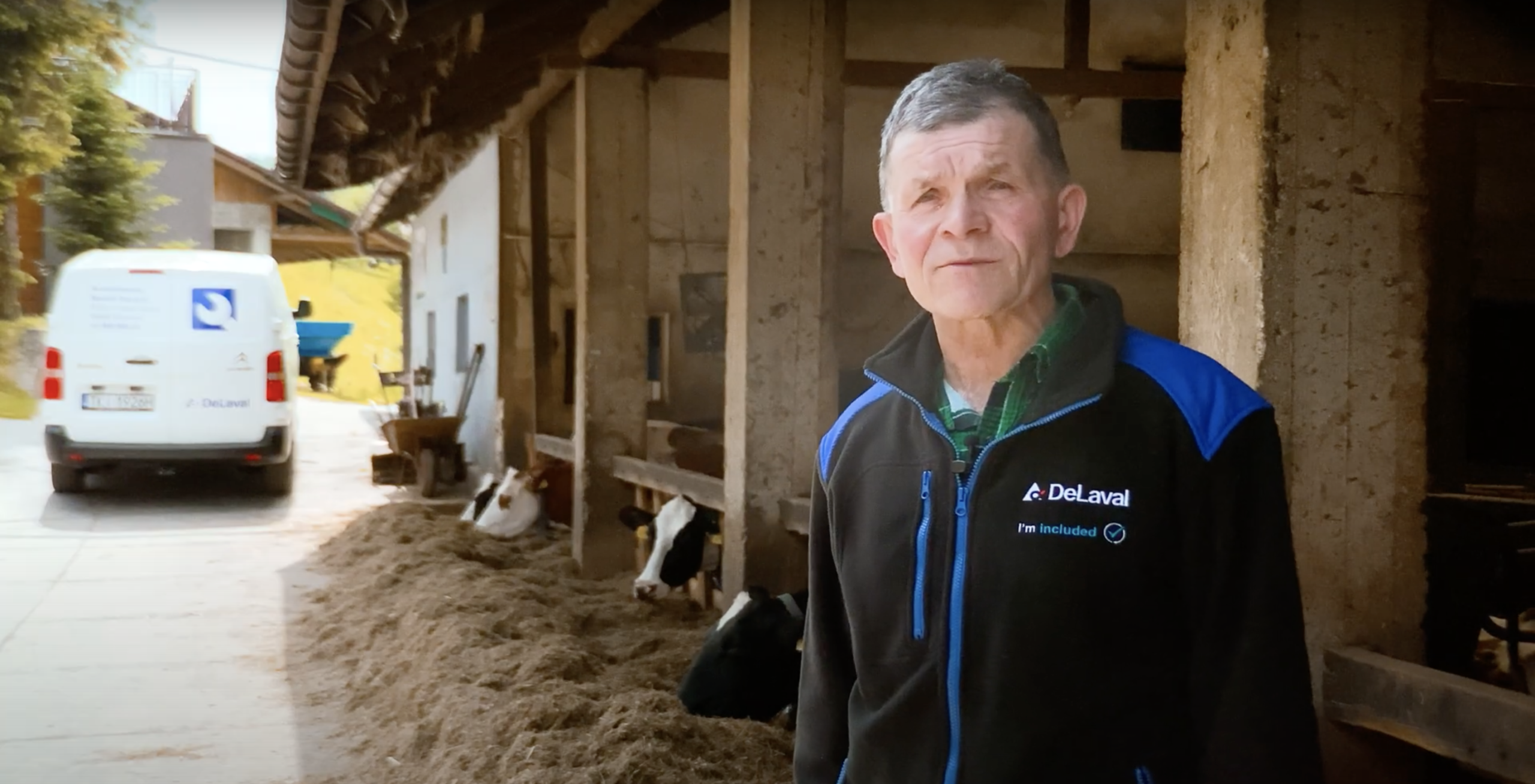
Vet Jacek Ptak, together with a calf nutrition specialist, answers farmers' questions on colostrum, scours, vaccination and rearing. Vet Wojciech Ptak works as a consultant and veterinary adviser. He sets up herd prevention programmes with farmers and local vets and shows their results from real farms.
In one herd, vaccination against Streptococcus uberis and rapid tests cut mastitis cases from 26 to 8 a month and antibiotic treatment days from 143 to 7. This is a free online video course you take at your own pace. You receive a certificate after completing the lessons, and you can ask the instructors questions under each lesson. Start with calf health.
What you will learn
- ✓Check colostrum with a refractometer and keep a colostrum bank from your own herd
- ✓Feed a scouring calf electrolytes and milk in turns, without long starvation
- ✓Choose dry cow vaccines that protect calves through colostrum
- ✓Set up a milking routine: 60–90 s stimulation, foam on the whole teat, dry wipe
- ✓Check pump, regulator and liners so vacuum fluctuates by 2 kPa at most
- ✓Track new infections and the share of healthy cows, not only cell counts
- ✓Use rapid milk tests so antibiotics go only where they are needed
Frequently asked questions
Who teaches the course?+
Two vets: Jacek Ptak answers questions on calf health and rearing, and Wojciech Ptak, a consultant and veterinary adviser, covers reducing antibiotics and mastitis.
Will the course help me reduce antibiotic use?+
It covers prevention: milking routine, well-working equipment, diagnostics and vaccination. Herd examples show fewer mastitis cases and fewer treatment days. Always decide on treatment with your own vet.
Is it relevant for small family farms?+
Yes. Tie-stall barns and milking parlours are both covered, along with results from smaller family herds where somatic cell counts fell by 41% in six months.
Does the course cost anything?+
No, the course is free. You have unlimited access and watch the lessons at your own pace.
Will I get a certificate?+
Yes. You receive a certificate after completing all lessons.
Can I ask the instructors questions?+
Yes, ask them in the Q&A section under each lesson.
Curriculum
- ▶Questions and answers: colostrum, scours and calf health prevention🔒
- ▶How to reduce antibiotics on a dairy farm: mastitis and milking routine🔒
Student reviews★ 5.0 (2)
- ★★★★★Martin4/20/2024
Bardzo pożyteczny kurs
- ★★★★★Martyna3/14/2023
Polecam
You may also like
Dairy Cattle Breeding
Free-stall barn with milking robots – the Tomasz Janas dairy farm

Dairy Cattle Breeding
Soil injection applicators – cutting nitrogen losses in fertilising
Dairy Cattle Breeding